Disposing Household Waste in Barkingside: Legal Guide
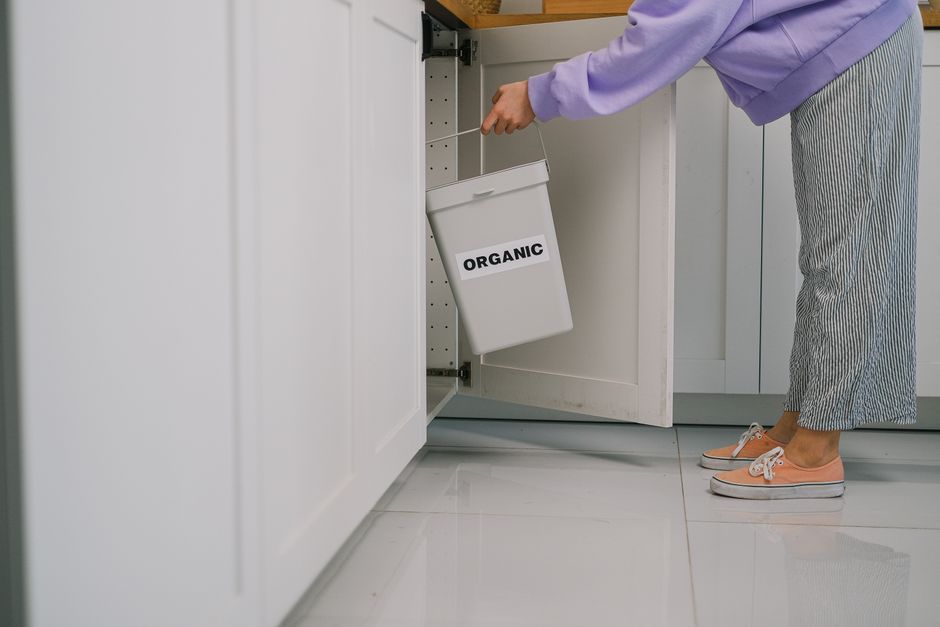
If you live in Barkingside, waste removal sounds simple until you are standing beside a broken wardrobe, a couple of black bags, and a mystery item that is somehow too big for the bin yet too awkward to move. Disposing household waste in Barkingside: legal guide matters because the rules around what you can put out, when you can put it out, and how you can get rid of bulky items are stricter than many people expect. Get it wrong and you risk fly-tipping issues, missed collections, complaints from neighbours, or a rubbish pile that sits outside far longer than you planned. Get it right and the whole job becomes oddly straightforward.
This guide walks through the practical side of lawful household waste disposal in Barkingside: what counts as household waste, how local collection systems usually work, what to do with bulky or awkward items, and where people most often slip up. I'll also cover a useful checklist, a comparison of disposal options, and a few local-moving scenarios where waste decisions become part of the wider plan. Let's face it, nobody wants rubbish to become the stressful bit of moving week.
Why Disposing Household Waste in Barkingside: Legal Guide Matters
Household waste is one of those everyday things that seems harmless right up until it is not. In Barkingside, as in the rest of London, the legal and practical side of disposal matters because waste affects public health, pavements, shared entrances, loading space, and local street appearance. A bag left outside at the wrong time can create a mess quickly, especially in busier residential areas or outside flats where space is tight.
There is also a clear distinction between normal household rubbish and items that need special handling. Old paint, fridges, mattresses, electrical items, and broken furniture can all require different treatment. If you lump everything together, you can end up with a rejected collection or a disposal method that is simply not allowed. That is where many people get caught out, to be fair.
For people moving home, decluttering, or clearing a flat after a tenancy ends, the issue becomes even more important. A move creates waste in stages: packaging, broken items, leftovers from cupboards, old furniture, and sometimes food waste from a fridge or freezer. If you have read how to declutter before moving day or how to handle pre-move cleaning, you already know that waste planning should happen before the final rush.
There is another reason this matters: responsibility. If rubbish from your property ends up dumped illegally, even by someone else, the situation can still become your headache if you arranged the removal carelessly. That is why lawful disposal is not just a paperwork issue; it is a basic part of being a good neighbour and keeping your own move clean.
How Disposing Household Waste in Barkingside: Legal Guide Works
At its simplest, legal household waste disposal comes down to three questions: what is the waste, how much of it do you have, and how should it leave the property? Once you answer those, the options usually become much clearer.
Most households deal with ordinary waste through scheduled local collections, recycling containers, and separate arrangements for larger or specialist items. The practical part is making sure each material goes to the right place. Mixed rubbish may be fine in a general bin, but many items should be separated first: cardboard, glass, food waste, electricals, and reusable household goods.
If you are disposing of bulky items, you may need an arranged collection, a trip to an appropriate facility, or a licensed removal service depending on the item and the scale of the clearance. A sofa is not the same as a cereal box. A fridge is not the same as a bag of general waste. A pile of renovation debris is certainly not the same as standard household rubbish, and it should not be treated as if it were.
In a real Barkingside household, this often plays out during moving week. Someone sorts the loft, finds three years of forgotten stuff, and suddenly the bin bag count doubles. If that sounds familiar, you are not alone. A sensible approach is to identify what can be reused, recycled, sold, donated, or collected as bulky waste before the final day arrives. That way, the last thing moving day becomes is a scramble with bags and boxes on the pavement.
If the waste is part of a larger move, planning around access, parking, and timing also helps. Resources such as parking suspension guidance for removal vans and Redbridge permit advice for removals can be useful when you are trying to keep a clear route for bins, sacks, and furniture leaving the property.
Key Benefits and Practical Advantages
Doing waste disposal properly saves time, but the bigger win is peace of mind. You know what is going where, you are not making last-minute guesses, and there is less chance of a messy mistake.
- Lower risk of penalties or complaints: Correct disposal reduces the chance of fly-tipping concerns or neighbour disputes.
- Cleaner moving day: Fewer loose bags, fewer trip hazards, and a simpler route in and out of the property.
- Better recycling outcomes: Separating materials properly helps recyclable items avoid the general rubbish pile.
- Less stress for shared homes and flats: Important in Barkingside where access may be tight and bin stores can fill quickly.
- More usable space: Once waste is cleared, the final packing or cleaning job becomes much easier.
There is also a practical money angle. Waste that is sorted efficiently can be cheaper and easier to handle than waste that is mixed, oversized, or contaminated. That does not mean every correct disposal method is free, of course, but it does mean you are less likely to pay for avoidable mistakes.
For households preparing for a move, lawful disposal often pairs well with other prep tasks such as packing, lifting, and storage. If you are dealing with heavy furniture that needs to go too, it may help to read safe ways to move heavy objects and practical guidance on kinetic lifting. Waste planning and physical handling really do go hand in hand.
Who This Is For and When It Makes Sense
This guide is for anyone in Barkingside who wants to dispose of household waste without crossing legal lines or creating avoidable problems. That includes:
- homeowners clearing out garages, lofts, sheds, or spare rooms
- tenants getting ready for check-out and end-of-tenancy cleaning
- families who have accumulated bulky items over time
- flat residents with limited bin storage or awkward access
- students moving out and facing the classic pile of "what do I do with this now?"
- people dealing with white goods, furniture, or mixed household clutter
It makes sense to think about legal disposal whenever your waste stops fitting the normal weekly collection pattern. That could be after a clear-out, before a move, after a breakage, or when a room refresh turns into a bigger job than planned. It is especially worth paying attention if you have items that are heavy, awkward, or potentially harmful to leave outside.
For example, a family leaving a semi-detached home in Barkingside may have garden waste, broken toys, a mattress, and several black bags. A flat resident near a busy road may have less space and less tolerance for items sitting around. Different homes, same basic challenge. The legal answer may be similar, but the logistics are not. That's the bit people often underestimate.
Step-by-Step Guidance
Here is a practical way to handle household waste in Barkingside without overcomplicating it.
- Sort everything by type. Start with general waste, recycling, food waste, bulky items, electricals, and anything hazardous or unusual. Don't mix them just because it is easier in the moment.
- Separate what can be reused. Items in decent condition may be suitable for donation, resale, or reuse. If you are moving, some items may be better stored temporarily rather than thrown out. A useful reference here is storage ideas that help extend the life of bulky furniture.
- Check the item against your normal collection rules. Bin collections handle everyday waste, but not everything else. If you are unsure, treat the item cautiously rather than assuming it will be accepted.
- Bag or bundle waste sensibly. Keep sacks manageable. Overfilled bags split, attract vermin, and create a mess outside the property. Simple, but easy to get wrong when you are in a rush.
- Arrange separate handling for bulky items. Sofas, beds, mattresses, wardrobes, and white goods often need special disposal or removal. If the item is still usable and simply needs moving out of the way for a while, bed and mattress moving advice can help you plan the route before disposal.
- Keep hazardous items apart. Batteries, chemicals, paint, and damaged electricals should never be lumped in with normal rubbish. They need careful handling and the right disposal route.
- Leave waste out only when appropriate. Time your collection so rubbish is not sitting out for long periods. In mixed residential streets, that one detail makes a big difference.
- Confirm everything is actually gone. Sounds obvious, but abandoned bags behind a bin or under a hedge are how little problems turn into bigger ones.
If you are doing this as part of a move, it helps to connect waste disposal with packing and transport planning. In that case, a useful next step is reviewing a stress-free packing approach and a broader house-move planning guide so the whole process stays joined up rather than feeling like ten different jobs.
Expert Tips for Better Results
A few small habits can make household waste disposal much easier, especially in a busy area like Barkingside where space, parking, and timing all matter.
- Start early. The earlier you sort waste, the fewer decisions you have to make on the final day.
- Use one staging area. Keep all disposal items in one corner or room so nothing gets forgotten.
- Label by destination. Use simple labels like "recycle", "donate", "bin", and "special disposal". It sounds basic, but it works.
- Break down bulky items safely. Only if it is genuinely safe and legal to do so. Sometimes disassembly helps. Sometimes it makes a mess. Use judgement.
- Avoid overfilling bags and boxes. Heavy, bursting waste sacks are awkward for you and awkward for anyone helping you.
- Keep an eye on access routes. Narrow hallways, stairs, and parked cars can turn a quick disposal job into a clumsy one. If the item is large, read practical advice for bulky items on narrow streets.
One small trick I have seen work well: keep a "maybe" pile for items you are not sure about, then review it after the first pass. People often make better decisions after the room feels calmer. Funny how that works, really.
And if your clear-out includes heavy, awkward pieces that you might move before deciding whether to keep or discard them, it may be worth checking how to lift heavy objects safely before you attempt anything heroic in socks on a polished floor. Not ideal, that.
Common Mistakes to Avoid
The mistakes people make with household waste tend to be surprisingly ordinary. That is the problem. They do not feel like "mistakes" until there is a rejected collection or an item left in the wrong place.
- Putting everything in one bin bag: This makes sorting harder, and certain items should not be mixed together.
- Leaving rubbish out too early: Bags can be torn open, blown around, or become an eyesore.
- Assuming bulky waste is treated like normal rubbish: A sofa or fridge usually needs a different route.
- Ignoring electrical items: Broken appliances need proper disposal, not a casual leave-it-and-hope approach.
- Forgetting about liquids or loose contents: Paint tins, bottles, and containers can leak. That becomes unpleasant fast.
- Using unverified removal help: If someone takes waste away improperly and tips it elsewhere, trouble can follow.
- Leaving items in communal areas: Shared hallways and bin stores are not a free storage zone for unwanted stuff.
Another common slip-up is timing. People plan the disposal route but forget to coordinate with cleaning, moving, or parking arrangements. If you are already juggling keys, boxes, and access windows, waste can get pushed to the back of the list. Then the day arrives and, well, the bin bags are still there. It happens.
Reading a flat-moving checklist for Barkingside or tips to avoid weekend removal delays can help if your waste disposal is tied to a move with tight timing.
Tools, Resources and Recommendations
You do not need a lot of fancy equipment to deal with household waste properly. A few practical tools make the job safer and calmer.
- Heavy-duty bin bags for regular waste and lighter mixed rubbish
- Strong cardboard boxes for sorted recyclables or reusable items
- Gloves for handling dusty, sharp, or grimy items
- Tape and labels to keep sorting consistent
- A sack truck or trolley for bulky but movable items
- Blankets or wraps if furniture is being moved before disposal or storage
For some households, storage can be the smarter short-term option. If an item is not ready to be thrown away but you need it out of the way, temporary storage can prevent unnecessary disposal. That is especially useful for furniture and larger household items. You can also look at storage options in Barkingside if the decision is not quite final yet.
When waste disposal is part of a relocation, other useful reading includes recycling and sustainability guidance and packing and boxes support. These topics overlap more than people think. The cleaner you sort the move, the less waste becomes a last-minute issue.
Law, Compliance, Standards, or Best Practice
When people ask about legal household waste disposal, they usually want simple answers. The safest way to think about it is this: your waste should be handled in a way that is lawful, controlled, and traceable enough to avoid dumping, nuisance, or unsafe handling.
In practice, that means:
- using ordinary household collection routes for suitable waste
- separating recyclables where expected or sensible
- keeping hazardous or specialist items apart
- making sure bulky items are sent for proper disposal or collection
- avoiding unofficial disposal methods that cannot be checked later
If you pay someone to remove waste, use a provider you trust and make sure you understand what is being taken away. In the removals world, good practice is to be clear about what is rubbish, what is reusable, and what should be transported separately. The same thinking supports local guidance and helps reduce the chance of illegal dumping. It is not glamorous, but it is the sensible way to do it.
There are also practical safety expectations. Broken glass, sharp edges, heavy loads, and contaminated waste can injure people very easily. For that reason, a careful approach is better than a fast one. If in doubt, take the slower route. That's usually the right call.
For households preparing a move or clear-out, it also helps to read company policies that reflect sensible working standards, such as health and safety information and insurance and safety guidance. Those pages won't replace legal advice, obviously, but they do show the sort of caution that matters when items are heavy or awkward.
Options, Methods, or Comparison Table
There is no single best disposal method for every household item. The right choice depends on what you are getting rid of, how quickly you need it gone, and whether the item can be reused or recycled.
| Method | Best for | Pros | Watch-outs |
|---|---|---|---|
| Regular household collections | Everyday rubbish and routine recycling | Simple, familiar, built into weekly routines | Not suitable for bulky or specialist items |
| Bulky item arrangement | Sofas, beds, wardrobes, mattresses, appliances | Handles large items properly and avoids clutter | Needs planning and correct item separation |
| Reuse or donation | Good-condition furniture, homeware, and appliances | Reduces waste and can help others | Only works if the item is genuinely usable |
| Storage first, disposal later | Items you are unsure about during a move | Prevents rushed decisions | Can cost more if you delay too long |
| Professional removal support | Mixed household loads, awkward access, heavy items | Simplifies logistics and reduces manual strain | You still need to be clear about what is being removed |
For many Barkingside households, the best answer is actually a mix of methods. General waste goes one way, recyclables another, and large furniture may need separate handling. That mixed approach sounds fiddly, but it usually works out cleaner and cheaper than trying to force everything into one solution.
Case Study or Real-World Example
A typical Barkingside scenario goes like this. A couple in a small flat is moving out at the end of the month. They have accumulated several bin bags of old clothes, a broken desk chair, a mattress, a small freezer, and a few boxes of mixed household clutter. On paper, it sounds manageable. In reality, the hallway is narrow, the lift is small, and the shared bin area is already nearly full.
Instead of waiting until the last evening, they sort everything over three days. The clothes and reusable items go into one pile, recycling into another, and the broken furniture gets separated early. The freezer is kept closed until the right disposal or removal arrangement is confirmed, which avoids a soggy mess and a very unpleasant smell by morning. For that kind of item, a guide like best practices for freezer storage can be surprisingly useful when timing matters.
They also check access before moving the larger waste. That means measuring doorways, clearing the route, and arranging parking sensibly. Nothing dramatic. Just a bit of forethought. The result? No bags left in the communal hall, no last-minute panic, and no awkward conversation with a neighbour about why a mattress is leaning against the wall at 8 a.m.
That is usually the real difference between a stressful waste clear-out and a smooth one: planning before the pile becomes a problem.
Practical Checklist
Use this checklist before you dispose of household waste in Barkingside.
- Sort waste into general, recycling, bulky, and special-item categories
- Set aside anything reusable, donatable, or worth storing
- Keep hazardous or sharp items separate
- Check whether bulky items need special collection or removal
- Make sure bags are sealed and not overfilled
- Keep pathways and exits clear
- Plan disposal times so waste is not left outside too early
- Confirm access for moving large items through doors, stairs, or shared areas
- Coordinate waste disposal with cleaning and packing if you are moving
- Double-check that nothing has been left behind in cupboards, sheds, or behind furniture
If you are still in the decluttering stage, a quick review of decluttering before moving day can make this checklist far easier to follow. Strange as it sounds, a good clear-out usually starts with one honest question: do I actually need this anymore?
Get a free quote today and see how much you can save.
Conclusion
Disposing household waste in Barkingside is not complicated once you break it into sensible steps, but it does reward people who plan ahead. Separate your waste properly, treat bulky and hazardous items with care, and keep an eye on timing and access. That alone avoids most of the common problems.
If your waste forms part of a move, the best approach is to think of it as one connected job rather than a last-minute add-on. Sorting, packing, lifting, disposal, and cleaning all affect each other. When one part is handled well, the rest tends to calm down too. And honestly, that is a relief on a busy London moving day.
Do it neatly, do it legally, and keep the process simple. Your future self will be grateful when the last bag is gone and the room feels like a room again.
Frequently Asked Questions
What counts as household waste in Barkingside?
Household waste usually includes the everyday rubbish produced at home, along with common recycling such as cardboard, bottles, cans, and food waste where applicable. Larger items, electricals, and hazardous materials usually need separate handling.
Can I leave rubbish outside my property for collection?
Only when it is appropriate to do so and in line with the collection timing and local rules that apply to your property. Leaving waste out too early can create nuisance, attract pests, or lead to complaints.
What should I do with a sofa, mattress, or wardrobe?
Bulky furniture normally needs a separate disposal or collection method. If the item is reusable, consider storage, donation, or resale first. If not, arrange the correct bulky-item route rather than treating it like ordinary rubbish.
Are electrical items allowed in normal bins?
No, not usually. Broken electricals and appliances should be handled separately because they often contain materials that require special disposal. That includes items like kettles, TVs, fridges, and microwaves.
How do I dispose of paint, batteries, or chemicals?
These items should be kept separate from general household waste. They are commonly treated as special or hazardous items, so do not put them in mixed bin bags. If you are unsure, keep them aside until you have the right route.
What happens if I dispose of waste incorrectly?
Incorrect disposal can lead to rejected collections, complaints, added costs, or, in serious cases, enforcement action if waste ends up fly-tipped or handled unlawfully. The exact outcome depends on what happened, but it is better to avoid the risk entirely.
Is it better to store old items before throwing them away?
Sometimes, yes. If you are undecided about furniture or household items during a move, short-term storage can give you time to decide properly. That is often smarter than rushing into disposal and regretting it later.
Do I need to separate recycling from general rubbish?
Yes, if your collection system expects it or if you want to dispose of waste responsibly. Separating items makes it easier to recycle properly and reduces contamination in the general waste stream.
What is the safest way to move heavy waste items?
Use correct lifting technique, keep the route clear, and get help if the item is awkward or too heavy. If an item is large, unstable, or likely to damage walls and stairs, it may be safer to use professional help rather than trying to muscle it through.
Can household waste disposal be part of a house move?
Absolutely. In fact, it often is. Moving is one of the best times to clear unwanted items, recycle properly, and separate things you no longer need. It just works better when you plan the disposal before the final packing day.
How do I avoid messy waste problems in a flat?
Keep waste sorted early, avoid overfilling bags, and do not leave items in shared hallways or bin rooms. In flats, access is often tighter, so tidy staging and clear timing matter more than people think.
When should I get extra help with waste removal?
If you have bulky furniture, heavy appliances, a lot of mixed clutter, or awkward access, extra help is usually worth it. It saves time, reduces strain, and lowers the chance of damage or an unsafe lift. Sometimes the sensible choice is simply the easier one.