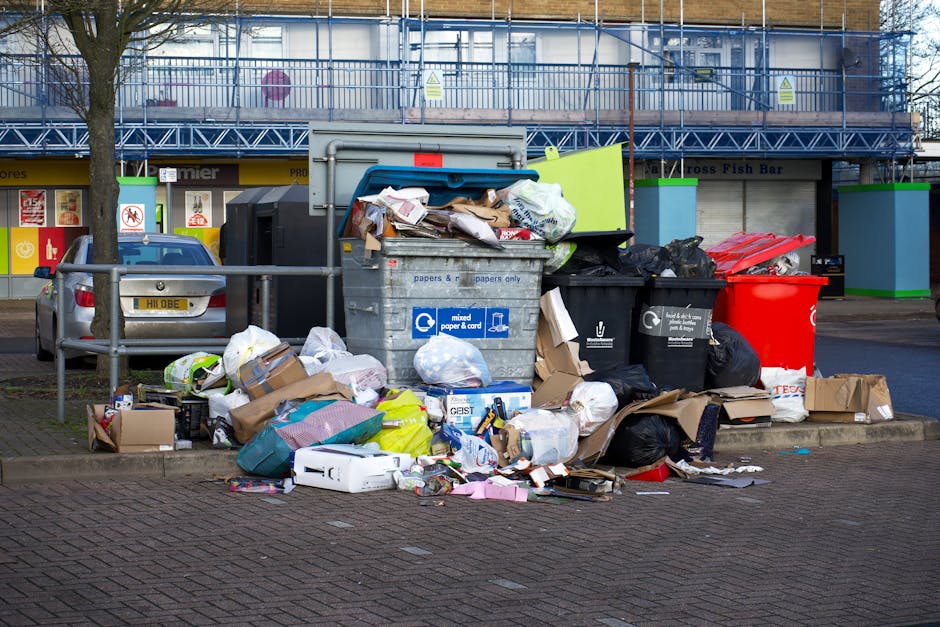
Fairlop Waters removals and bulky item collection Barkingside: a practical local guide
If you are planning Fairlop Waters removals and bulky item collection Barkingside, you are probably dealing with the sort of move that looks simple from the outside and gets complicated once the sofa won't fit through the hallway, the shed is full of oddments, and the clock starts ticking. Truth be told, that is exactly where good planning saves the day.
Fairlop Waters and Barkingside sit close enough together that many moves, clearances, and one-off bulky collections overlap. People are often shifting a few rooms, clearing out a flat, replacing old furniture, or dealing with the awkward items nobody wants to carry down the stairs. This guide explains how the process works, what to expect, how to avoid costly mistakes, and how to choose the right approach for your situation. It is built for real-life moving days, not glossy brochures.
Whether you need help with a house move, a partial clearance, or a bulky item pickup, the aim is the same: get the job done safely, without damage, and with as little stress as possible. Let's break it down properly.
Table of Contents
- Why Fairlop Waters removals and bulky item collection Barkingside Matters
- How Fairlop Waters removals and bulky item collection Barkingside Works
- Key Benefits and Practical Advantages
- Who This Is For and When It Makes Sense
- Step-by-Step Guidance
- Expert Tips for Better Results
- Common Mistakes to Avoid
- Tools, Resources and Recommendations
- Law, Compliance, Standards, or Best Practice
- Options, Methods, or Comparison Table
- Case Study or Real-World Example
- Practical Checklist
- Conclusion
- Frequently Asked Questions
Why Fairlop Waters removals and bulky item collection Barkingside Matters
This service matters because removals and bulky waste are rarely just about lifting heavy things. They affect time, access, safety, parking, disposal choices, and how smoothly your day runs. In a place like Barkingside, where streets, driveways, flats, and shared access routes can vary quite a bit, a small planning mistake can become a surprisingly big headache.
Think about a wardrobe that seems manageable until it has to be turned on a narrow landing. Or a bulky item that looked "fine for later" until it blocks the hallway and everyone starts stepping around it. Those moments are common. They are also avoidable.
Fairlop Waters removals often involve more than a single load. You may be moving furniture, white goods, boxes, garden items, or a mix of keep, donate, and dispose decisions. Bulky item collection adds another layer because not everything can be taken by a standard household waste bin, and not every item should be left to chance. Good planning protects your home, your back, and frankly your sanity.
Practical takeaway: the best removal and bulky collection jobs are the ones that feel uneventful on the day. That usually means the prep was done properly beforehand.
There is also a cost angle. If a team arrives unprepared, extra time, extra trips, or avoidable handling can all add pressure. And when items are awkward or fragile, the risk is not only delay but damage. A chipped wall, a scratched floor, a broken mirror, or a strained shoulder can turn a straightforward job into a long week.
How Fairlop Waters removals and bulky item collection Barkingside Works
At a simple level, the process starts with identifying what needs to go, what needs to stay, and what should be moved versus collected for disposal. Sounds obvious. It rarely is, once you start opening cupboards. Most people find one of two things: either they have too much stuff, or they underestimate how bulky some items really are.
A typical local removals or bulky collection job may involve:
- an initial conversation about the items, access, and timing;
- checking whether the job is a full move, partial move, or clearance;
- estimating the vehicle size, crew size, and time needed;
- planning around stairs, lifts, parking, and loading space;
- protecting floors, door frames, and furniture during handling;
- loading items safely and separating reusable items from waste where appropriate;
- delivering to the new address, storage, donation route, or disposal point as agreed.
For bulky item collection in particular, the practical focus is often on safe removal from the property, responsible handling, and making sure the item is suitable for collection. Large wardrobes, divan beds, sofas, fridges, exercise equipment, office chairs, and old desks all need slightly different care. A freezer that has been defrosted, for example, is a different proposition from a dry bookcase or a dismantled bed frame.
In our experience, the smoothest jobs are the ones where the customer gives clear detail early. A quick message with photos can save a lot of confusion. Not glamorous, but very effective.
It also helps to think in layers: what is going first, what needs dismantling, what needs two people rather than one, and what may need a larger vehicle. A van that is perfect for a few boxes might be the wrong fit for a sofa, mattress, and a refrigerator. That is where local experience matters.
Key Benefits and Practical Advantages
The value of a well-organised removal or bulky collection is not just convenience. It changes the whole feel of moving day. Here are the main advantages people notice quickly.
- Less physical strain: large items are awkward, and moving them badly is a fast route to a sore back or damaged walls.
- Better time control: once items are scheduled and grouped properly, the job moves faster.
- Reduced clutter: clearing bulky items early creates space for packing and cleaning.
- Safer handling: heavy furniture, glass, and appliances need care and proper lifting.
- Cleaner finish: removing unwanted items before handover helps a property look ready rather than half-finished.
- Less waste confusion: separating reusable, recyclable, and disposable items avoids last-minute guesswork.
A quieter benefit is peace of mind. When you know the old wardrobe is not going to sit in the hallway until "someone deals with it", you can get on with the move. That mental load matters. More than people expect.
There is also a local practicality in Barkingside and the surrounding IG6 area. Access can be tight, parking may need thought, and multi-storey or terraced properties often make bulky handling less straightforward than it first sounds. A service that understands those details is usually worth more than one that simply promises to turn up. Simple as that.
If you are comparing wider moving support, you may also find it useful to look at removals and man and van options when deciding whether you need a full crew or a more flexible local load-and-go approach.
Who This Is For and When It Makes Sense
Not every household needs the same kind of help. Some people are moving everything. Others just need one or two bulky items out of the way. Knowing which camp you are in helps you choose the right service and avoid paying for more than you need.
This kind of support makes sense if you are:
- moving home within Barkingside or nearby Fairlop Waters;
- clearing a flat, maisonette, or house before sale or letting;
- replacing old furniture and want the old items gone quickly;
- handling a probate clearance or end-of-tenancy clear-out;
- dealing with heavy items that are awkward to carry on your own;
- trying to reduce clutter before a larger move;
- needing a local collection after a furniture delivery or home refresh.
Sometimes people assume bulky collection is only for "rubbish". Not really. It can include items that are too large for standard disposal routes but still need careful lifting and a sensible plan. A tired mattress, a broken desk, and a piano are not the same thing, obviously, but they all create the same basic problem: they are too awkward to leave until later.
If you are a landlord, letting agent, small business owner, or homeowner preparing a property, the logic is even stronger. Empty rooms are easier to inspect, clean, photograph, and hand over. And if you are moving in the rain, which does happen in London quite a lot, less clutter means fewer slippery, frustrating trips in and out.
Step-by-Step Guidance
If you want the day to run smoothly, use a simple plan. No need for overcomplication. Just a sensible order of operations.
- List every item. Walk room by room and write down what is moving, what is being collected, and what stays.
- Measure the awkward pieces. Check tall wardrobes, sofas, beds, appliances, and anything that needs turning or dismantling.
- Check access. Look at stairs, lifts, garden gates, narrow halls, parking, and any low branches or tight corners outside.
- Separate disposal from relocation. Keep items for removal separate from items going to the new property. This sounds basic, but confusion here causes chaos fast.
- Prepare fragile items. Wrap mirrors, glass shelves, and electronics carefully. If you are not sure, add more protection than you think you need.
- Reserve time for dismantling. Beds, modular furniture, and some office items are easier to move when partly taken apart.
- Confirm the vehicle and crew. Make sure the size matches the actual load, not the optimistic version of it in your head.
- Clear a route. Move rugs, bins, shoe racks, and anything else that could snag feet or catch on a corner.
- Final check before loading. Open cupboards, loft spaces, sheds, and under-stair storage so nothing gets forgotten.
- Decide what happens after collection. Reuse, recycle, donate, or dispose. A clear decision saves time later.
A small but useful habit: take photos of the items before collection. It gives you a record, helps with quotes, and makes it easier to communicate if anything changes on the day. I know, it sounds a bit fussy. Then suddenly it is very useful.
If you are packing at the same time, support services like packing and unpacking services can reduce the pressure when the move has to happen quickly or when you are juggling work and family commitments.
Expert Tips for Better Results
Here is where a little experience goes a long way. The difference between a stressful clearance and a tidy one often comes down to small decisions made early.
Be honest about the awkward stuff
That heavy oak dresser in the bedroom corner? Mention it. The old treadmill that has been used more as a coat rack? Mention that too. People sometimes downplay difficult items, then wonder why the job takes longer. To be fair, it happens because we all want the move to feel simpler than it is.
Work from the hardest item first
If something needs dismantling, moving downstairs, or careful manoeuvring, deal with it before the easy boxes start filling the van. That way the team has space and energy for the awkward work.
Think about the weather and the time of day
A wet morning in Barkingside changes how surfaces behave. A driveway that was fine at 9am can become slippery after a shower by 10.30am. Evening collections can also be trickier if parking is tight or the road is busy. A little timing awareness helps more than people realise.
Keep pathways clear for the final carry
It sounds obvious, but a clean, direct path saves time and reduces damage. One stray bag in a hallway can be enough to make a bulky item wobble at the wrong moment. And nobody wants that wobble.
Choose reuse where you can
Not every unwanted item is destined for disposal. Some pieces may be reusable, repairable, or better suited to a donation route. That is better for the environment and often better for the property handover too.
For bigger vehicle planning, local customers sometimes compare a more flexible man with van approach against larger removal companies. The right choice depends on volume, access, and how much lifting is involved, not just the label on the service.
One more thing: a job that looks like a "quick clear-out" can quietly turn into a full half-day if the loft, shed, or under-bed storage is involved. It always happens around the same moment, usually when someone says, "There's just one more bit upstairs."
Common Mistakes to Avoid
People do not usually make one giant mistake. They make three small ones and only notice when the van is on the driveway. Here are the common issues worth avoiding.
- Underestimating volume: a room full of "a few things" can be more than it appears.
- Forgetting access constraints: stairs, parking, and narrow entrances can change the whole plan.
- Leaving sorting until the last minute: if you do not know what is moving and what is leaving, the loading order gets messy.
- Not checking item condition: broken glass, leaking appliances, or unstable furniture need special handling.
- Trying to do too much alone: some items are simply not safe to move without help.
- Assuming all bulky items are treated the same: in practice, mattresses, appliances, and heavy furniture each need a different approach.
Another trap is ignoring the post-move clean-up. If you remove furniture but leave behind screws, straps, and packing debris, the job does not feel finished. A proper end state matters. You will notice it most when you walk back into an empty room and it still feels messy.
If you need to move specialist items, see whether a dedicated service such as furniture pick up or a more general removal services option suits the load better than a standard collection. Matching the job to the right service is half the battle.
Tools, Resources and Recommendations
You do not need a garage full of specialist kit to prepare well, but a few basics make a real difference. Even a modest move runs better when the right tools are on hand.
- Tape measure: useful for doorways, furniture dimensions, and stair width.
- Permanent marker and labels: helpful for marking boxes, dismantled parts, and room destinations.
- Blankets or protective covers: useful for sofas, tables, and scratch-prone surfaces.
- Strong tape and cable ties: good for securing loose parts and cables.
- Basic toolkit: Allen keys, screwdrivers, and a drill can help with dismantling.
- Gloves and closed shoes: sensible for handling rough or heavy items.
- Cleaning supplies: a quick wipe-down after removal makes the space feel finished.
Resources matter too. A service with clear booking, transparent pricing, and published policies gives you fewer surprises. If you want to understand how costs are discussed, the page on pricing and quotes is a sensible place to start. If you care about how items are treated after collection, look at recycling and sustainability as well.
For service reassurance, it can also help to review insurance and safety and the company's health and safety policy. People do not always read these pages until after something goes wrong, which is a bit late, really.
Law, Compliance, Standards, or Best Practice
For removals and bulky item collection, compliance is mostly about sensible, lawful handling and responsible disposal. That includes safe lifting, avoiding obstruction, respecting property access, and making sure waste is passed to appropriate disposal routes rather than left somewhere unsuitable.
In practical terms, the best approach is to separate three categories:
- Items to keep: these need careful transport and protection.
- Items to reuse or donate: these should be kept clean and undamaged where possible.
- Items to dispose of: these should be handled in line with ordinary UK waste expectations and any local rules that apply to the situation.
If you are leaving items for collection, do not assume every object can be placed anywhere outside and forgotten. Access, timing, and presentation matter. Items should be ready for safe handling, and if they are especially heavy or awkward, that should be made clear in advance.
Best practice also means protecting building fabric and public areas. In a place with shared entrances, communal hallways, or narrow pavements, a careless move can block access or create damage. A good team works tidily. No dragging, no rushing, no mystery scratches on the banister.
For customers, it is sensible to check terms, payment details, and service expectations before booking. The company's terms and conditions and payment and security information are there for exactly that reason. If you need to know how a provider handles complaints or contact details, those pages can help too.
Options, Methods, or Comparison Table
Choosing the right method depends on what you are moving, how quickly you need it done, and how much lifting is involved. Here is a straightforward comparison.
| Option | Best for | Strengths | Watch-outs |
|---|---|---|---|
| Bulky item collection | Single items or a small number of large pieces | Simple, quick, less to organise | Not ideal for full-house moves or mixed loads |
| Man and van | Small to medium moves, flexible local transport | Good for short-distance jobs and access challenges | May need extra help for heavy furniture |
| Full removals service | Larger moves, multiple rooms, more complex access | More capacity, more planning support | Often more than you need for one or two items |
| Furniture pick-up | Standalone furniture collection and relocation | Focused and efficient for specific items | May not suit heavy clearance jobs |
The right answer is not always "the biggest service". A two-piece pickup can be handled well by a compact local setup, while a whole-flat clearance may need more structure. The trick is matching the service to the load, not the other way around.
For general move planning, some customers also review home moves and house removals pages to decide whether their move is best treated as a full relocation or a smaller transport job.
Case Study or Real-World Example
A typical Barkingside example goes like this. A couple are moving from a first-floor flat near Fairlop Waters into a house a short distance away. They have two sofas, a bed frame, a mattress, a dining table, and several bulky items in a spare room that they no longer want. Nothing dramatic. Just enough to make moving day awkward.
They start well enough, then discover the bed frame will not fit around the landing turn unless it is partly dismantled. The old chest of drawers is heavier than expected. The spare-room items are mixed together with packing boxes, which slows everything down because no one is sure what is moving and what is being discarded. Classic moving-day confusion.
Once the items are split into clear groups, the job improves fast. Dismantling happens first, the route is cleared, the bulky items are moved before the smaller boxes, and the unwanted furniture is loaded separately for collection. The result is a quicker finish and less stress. The flat is left cleaner, the new house gets the right furniture, and the customer avoids making repeated trips in the evening. Not bad for a day that started a bit wonky.
This is exactly why planning matters for Fairlop Waters removals and bulky item collection Barkingside. The physical work is only part of the job; the organisation around it is what keeps the whole thing from becoming a muddle.
Practical Checklist
Use this checklist before collection or moving day. It is simple, but it covers the details that people most often forget.
- List every item that is moving or being collected.
- Measure bulky furniture and confirm it fits through doors and stair turns.
- Check parking and access outside the property.
- Decide what is to keep, donate, reuse, or dispose of.
- Separate fragile items from heavy items.
- Dismantle beds, tables, or units if needed.
- Label boxes and parts clearly.
- Protect floors, walls, and doorframes.
- Keep walkways clear.
- Prepare appliances by unplugging, defrosting, or emptying them where necessary.
- Take photos of valuable or awkward items before they move.
- Confirm the agreed time window and contact details.
- Keep keys, documents, and essentials separate from the load.
- Do a final walk-through before the van leaves.
If you get even half of these right, the day usually feels much calmer. If you get all of them right, well, that is moving-day gold.
Conclusion
Fairlop Waters removals and bulky item collection Barkingside is really about making a complicated day feel manageable. Whether you are shifting a full home, clearing out unwanted furniture, or just getting one huge item out of the way, the same principles apply: plan early, be honest about the load, protect access, and choose the right service for the job.
When the details are handled properly, the work feels lighter, the space clears faster, and the whole process becomes much less stressful. That is the real win. Not perfection. Just a move or collection that runs smoothly and leaves you able to breathe again.
If you are ready to compare options, review your timings, or book a local service, the next step is simple.
Get a free quote today and see how much you can save.
And if you want to explore more of the service background first, you can also look at about us and contact us for a clearer picture of who is handling the work.
Move carefully, plan steadily, and the rest tends to fall into place.
Frequently Asked Questions
What is included in Fairlop Waters removals and bulky item collection Barkingside?
It usually includes the removal, loading, transport, and agreed handling of bulky items or move items from one location to another. The exact scope depends on whether you need a full move, a single-item pickup, or a clearance-style job.
Do I need to dismantle furniture before collection?
Not always, but dismantling can make a big difference for beds, wardrobes, large tables, and modular furniture. If something is tight on stairs or around corners, taking it apart may save time and reduce damage.
How do I know if I need a man and van or a full removal service?
If you are moving a small load or a few bulky items, a man and van removals style service may be enough. If you are relocating multiple rooms or have heavy, complex items, a fuller removals service may fit better.
Can bulky items and moving boxes be collected in the same job?
Yes, often they can. It helps to separate them in advance so the bulky items are loaded safely and the boxes stay organised. Mixed jobs are common, but they work best when the plan is clear.
How far in advance should I book?
As early as you can, especially if you are moving on a weekend, at month-end, or in school holidays. Local availability can tighten up quickly. If your date is flexible, that usually helps.
What bulky items are most commonly collected?
Sofas, beds, mattresses, wardrobes, desks, white goods, shelving, and old office furniture are all common. The exact handling will depend on weight, condition, and access.
What happens if access is difficult at my property?
That is normal in many Barkingside streets and flats. Narrow hallways, stairs, and limited parking can be managed, but they need to be mentioned early so the right approach, crew size, and vehicle can be planned.
Can I leave items outside for collection?
Only if that has been agreed and the items are ready for safe collection. You should not assume that leaving things outside automatically solves the problem. Weather, access, and local rules all matter.
How can I reduce the cost of removals or bulky collection?
Sort items clearly, dismantle where possible, group the load efficiently, and avoid last-minute additions. Clear access and accurate details also help prevent avoidable extra time.
What should I do with items I no longer want but are still usable?
Where practical, separate reusable items from disposal items. Some furniture may be suitable for reuse or donation if it is clean and intact. That is often the better route for both the environment and the overall job.
Is insurance important for removal or bulky collection work?
Yes, it is wise to check. Heavy items and tight spaces carry real risk, even in careful hands. Reviewing insurance and safety information gives you more confidence before booking.
What should I ask before confirming a booking?
Ask what is included, how access is handled, whether dismantling is possible, how bulky items are treated, and what happens if the load changes. A clear conversation upfront avoids awkward surprises later. That little bit of clarity helps more than most people expect.