Handling Bulky Items on Narrow Barkingside Streets
Posted on 02/06/2026
Handling Bulky Items on Narrow Barkingside Streets: A Practical Guide for Safer, Smoother Moves
If you have ever tried to shift a sofa, fridge, wardrobe, or piano along a tight Barkingside road, you will know the problem is rarely the item alone. It is the kerb space, the parked cars, the awkward turns, the neighbour's bins, and that one staircase that seems to have been designed by someone who disliked large furniture. Handling Bulky Items on Narrow Barkingside Streets takes more than muscle. It needs planning, patience, and a realistic idea of what will fit where.
This guide walks you through the practical side of moving oversized items in restricted local streets, from preparation and safety to method selection and common mistakes. It is written for anyone who wants fewer scrapes, less stress, and a move that feels properly under control. And yes, there is a better way than just "getting a few mates round and hoping for the best".

Why Handling Bulky Items on Narrow Barkingside Streets Matters
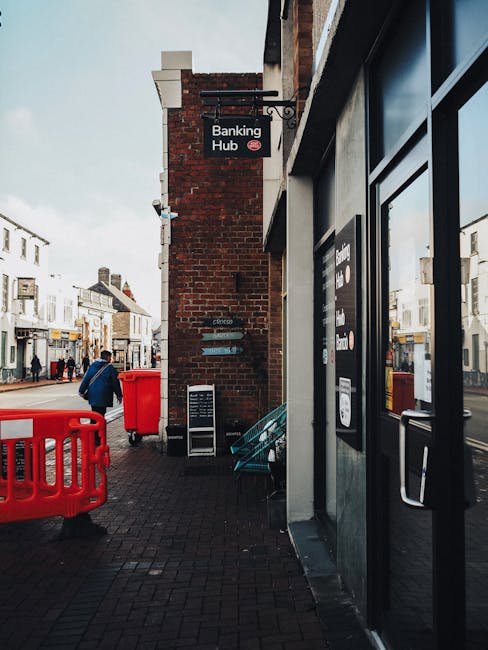
Narrow residential streets change the moving job completely. A bulky item that seems manageable in a driveway can become a headache once it meets a parked car on one side, a low wall on the other, and a bend that forces everyone to turn at once. In Barkingside, that can be especially relevant on older roads, estate access routes, and side streets near busier connections where parking pressure is already high.
The biggest issue is not just inconvenience. Poor handling can cause damage to the item, the property, other vehicles, or even the people lifting it. A scratched bannister, a cracked lamp, a dropped washing machine door - these are the little disasters that turn a moving day sour very quickly. To be fair, the street does not care how expensive the sofa was.
There is also a timing element. On tighter roads, one blocked space or one misjudged manoeuvre can delay the whole move. If you are trying to keep access clear for neighbours, avoid rush-hour pressure, or stick to a booking window, the margin for error is small. That is why good removals planning matters just as much as strength.
For moves that involve awkward furniture, the right support makes a real difference. Some customers prefer a complete service, while others only need a vehicle and a hand with lifting. If you are comparing approaches, it can help to look at local removals support in Barkingside alongside more specific help such as furniture removals in Barkingside or specialist piano removals in Barkingside when the item is unusually delicate or heavy.
How Handling Bulky Items on Narrow Barkingside Streets Works
Good bulky-item handling is really a chain of small decisions. You start by measuring the item, then measuring the route, then choosing the right method for lifting, carrying, loading, and parking. Miss one link and the whole thing gets messy.
The process usually works like this:
- Assess the item. Check size, weight, shape, balance, and vulnerable parts like handles, legs, doors, or glass panels.
- Assess the route. Measure doorways, hallways, stair turns, lift access if available, front steps, kerbs, and the narrowest points outside.
- Choose the movement method. Decide whether the item can be carried by hand, tilted, dismantled, wheeled, or professionally moved with specialist equipment.
- Clear the path. Remove trip hazards, protect corners, and make sure the route is free of clutter.
- Plan the vehicle position. In narrow streets, the van often needs to be parked so loading happens quickly and with the least obstruction possible.
- Use the right lifting technique. This is where back safety and team coordination matter. Controlled movement beats sudden force every time.
- Load strategically. Bulky items should be secured so they do not shift during transit or topple when the rear doors open.
In practical terms, the aim is to shorten the distance a large item needs to travel on foot and reduce the number of turns, drops, and re-lifts. If you have ever carried a mattress down a tight stairwell while someone ahead of you mutters "a bit left, no, your other left", you will know why method matters.
For larger home moves, many people find it useful to combine this with broader planning. A clear moving schedule, sensible packing, and decluttering all reduce the amount of awkward handling on the day. Articles like simplify moving day by decluttering in advance and innovative packing strategies for a stress-free move fit neatly into that approach.
Key Benefits and Practical Advantages
When handled properly, bulky-item moves on narrow streets become much less chaotic. Here is what that usually gives you in real life.
- Less risk of damage. Carefully planned movement reduces collisions with walls, banisters, parked cars, and door frames.
- Safer lifting. Proper technique and the right equipment help prevent strains and slips.
- Faster loading. If the route is pre-cleared and the van is parked sensibly, the whole job moves along with fewer pauses.
- Better coordination. Everyone knows their role, which means fewer shouted instructions and fewer mistakes.
- Lower stress. This one matters more than people expect. A calm move is usually a safer move.
- Better use of space. Strategic loading means more items fit securely without crushing fragile pieces.
There is a commercial benefit too. For landlords, office managers, students, or families moving in and out of compact properties, a smoother process can save time, reduce disruption, and avoid awkward follow-up costs. If the item is too large for the route, storage can be the sensible bridge between leaving one property and entering the next. In those cases, storage in Barkingside can be a useful pressure valve.
Expert summary: On narrow Barkingside streets, the best moving outcome usually comes from reducing friction at every stage - fewer items, shorter carry distances, proper lifting, and a parking plan that is thought through before anything leaves the house.
Who This Is For and When It Makes Sense
This topic matters to more people than you might think. It is not just for big family house moves. Narrow streets and bulky items collide in all sorts of everyday situations.
- Homeowners moving large furniture like wardrobes, sideboards, beds, and sofas.
- Flat movers dealing with stairs, shared entrances, and limited hallway space. A lot of this overlaps with flat removals in Barkingside.
- Students who are shifting bed frames, desks, or small appliances between rooms or rentals. For a more local example, see student moves from Barkingside to Seven Kings Road.
- Families moving full households from properties where street access is tight. That often means combining planning with a route-aware removal team, as in family house removals on Fullwell Cross Road Barkingside.
- Office movers dealing with desks, filing cabinets, chairs, and sometimes bulky IT equipment.
- Anyone moving one awkward item and wondering whether it is worth booking help just for that single thing. Sometimes it really is.
It makes sense whenever the item is too bulky for a standard lift-and-carry, too valuable to improvise with, or too awkward for the street conditions. A narrow road does not automatically mean you need a full removal crew, but it does mean you should think like a planner, not a gambler.
If you are trying to decide between partial help and a larger service, browsing man and van Barkingside, man with a van Barkingside, and removal van Barkingside can help you match the job to the right level of support.
Step-by-Step Guidance
Here is the practical version. No fluff, just the sequence that tends to work best.
1. Measure before you move anything
Measure the item itself, then measure every pinch point on the route. That includes internal doors, stair landings, hallway corners, and the gap between the pavement and the van if you have a step or kerb involved. People often measure the sofa and forget the staircase. Classic mistake.
2. Decide whether the item should be dismantled
If a bed frame, dining table, wardrobe, or office desk can be broken down safely, do it. Smaller sections are easier to control on a narrow street. Keep fittings in labelled bags, and do not trust memory alone. It is rarely as good as it feels at the time.
3. Remove obstacles from the route
Take away shoes, mats, loose cords, bins, and anything that can catch a toe or wheel. Protect corners with blankets or cardboard. In a tight property, even a small plant pot in the wrong place can throw off the whole angle of a turn.
4. Assign clear roles
One person should lead. One should support. If there are more people, make sure they are not all giving different instructions. A simple "stop", "lift", "turn", and "down" system is enough for most moves. It sounds basic because it is. Basic is good here.
5. Pick the safest carry method
Some items are best carried upright. Others need to be tilted slightly to clear a stair turn. Heavy objects may need shoulder straps, a sack truck, or furniture sliders. For solo lifting advice, see effective ways to lift heavy objects by yourself and the related guidance on kinetic lifting.
6. Position the van for the shortest carry
Where possible, park as close as legally and safely possible to the access point. The less distance you carry a bulky item, the better. On narrow roads, this may require timing, patience, and sometimes a quick reshuffle of parking plans. If you are moving at a busy time, check strategies in avoiding weekend removal delays in Barkingside.
7. Load with balance in mind
Heavier items should sit low and be secured properly. Fragile items need padding and space from hard edges. The goal is to prevent movement. If things can shift, they will. That is a rule of moving, almost annoying in its consistency.
8. Recheck everything before departure
Give the vehicle a quick visual check: straps secure, doors shut, item stable, no loose parts left behind. The final minute often saves the most trouble.
Expert Tips for Better Results
These are the kinds of tips that save time because they come from small details, not grand theories.
- Use blankets, not optimism. Padding beats hope every day of the week.
- Work with the street, not against it. If access is awkward, reduce the number of trips by grouping items sensibly.
- Protect the item's weak points first. Handles, glass, corners, and legs are the bits that go first when things go wrong.
- Keep one person outside the item's path. They can spot obstacles and warn the team before a scrape happens.
- Don't force a turn. If an item catches, reassess the angle. Forcing it usually makes the damage worse.
- Build in slack time. Tight streets often take longer than expected, and that is normal.
- Think about the weather. Rain makes steps slick, gloves slippery, and cardboard soft. A damp morning changes everything just a little, but enough.
One thing people underestimate is mental load. A narrow Barkingside street means more decision-making in real time. If the team is tired, hungry, or rushing, errors creep in. A short tea break before the heavy lifting may sound simple. It helps more than you think.
For especially delicate or oversized pieces, it is worth seeing whether specialist support is a better fit. That can be a single-item service, a fuller house move, or a more tailored option through the services overview page.
Common Mistakes to Avoid
Most problems in narrow-street moves are predictable. That is the good news. The bad news is that people still make them.
- Skipping measurements. If you do not measure, you are guessing. Guessing is expensive.
- Trying to move everything in one go. This often leads to blocked hallways, rushed lifting, and a higher risk of damage.
- Using too few people. Bulky items need control, not just enthusiasm.
- Choosing the wrong vehicle position. A poor parking choice can add distance, delay, and extra lifting.
- Not dismantling where possible. A few minutes with tools can save half an hour of awkward carrying.
- Ignoring safety gear. Gloves, straps, and protective coverings are practical, not optional extras.
- Letting the route get cluttered again. Bins, bags, and boxes have a habit of reappearing at the worst moment.
A lot of these mistakes come from overconfidence. The item looks manageable. The street looks short. Someone says, "we'll be fine." Then someone catches a corner and the mood changes. A little caution is not overthinking; it is experience speaking quietly.
Tools, Resources and Recommendations
You do not need a van full of specialist kit for every move, but the right tools change the entire job.
| Tool or Resource | Best Use | Why It Helps |
|---|---|---|
| Furniture blankets | Protecting furniture and walls | Reduces scuffs, knocks, and vibration damage |
| Ratchet straps | Securing items in the van | Keeps bulky items from sliding or tipping |
| Sack truck or dolly | Moving heavy boxes or appliances | Removes strain and improves control |
| Shoulder straps | Carrying awkward items | Shares weight more evenly between movers |
| Gloves with grip | General handling | Improves hold and protects hands |
| Box labels and marker pens | Route and packing organisation | Makes unloading quicker and less chaotic |
For packing support, the right boxes and materials matter too. If you are getting ready for a move with mixed item sizes, packing and boxes in Barkingside can be a useful place to start.
There is also a strong link between packing quality and bulky-item handling. Secure packing means fewer loose parts, fewer last-minute repacks, and less chance of someone trying to carry an unbalanced load at the last second. If the move includes a fridge or freezer, the handling logic is similar: stable, dry, padded, and prepared. For that sort of planning, see protecting your freezer during storage.
Law, Compliance, Standards, or Best Practice
For most domestic moves, the biggest practical concern is safe handling and sensible access rather than formal legal complexity. Still, UK moving work should be approached with care. Manual handling expectations, workplace safety practices, and general duty of care all point in the same direction: reduce risk where you can, and do not ask people to lift beyond their ability.
If a move involves employees, tenants, or shared premises, it is wise to follow clear internal procedures for risk reduction, access management, and communication. Even for a private move, the same common-sense principles apply. Plan the route, avoid unsafe lifting, and use equipment properly. Nobody wins a prize for carrying a wardrobe one-handed down a narrow path because it "seemed quicker".
Reputable moving providers will usually have policies covering safety, insurance, complaints, and payment terms. Those pages are not exciting, granted, but they matter because they tell you how the business works and how issues are handled if something changes on moving day. It is also sensible to check that the provider's practices match your comfort level around risk and protection, which is why pages such as insurance and safety, health and safety policy, terms and conditions, and payment and security are worth a quick look before booking.
Options, Methods, or Comparison Table
There is no single "best" way to handle bulky items on a narrow street. The right choice depends on weight, item shape, budget, and how much risk you are prepared to take on.
| Method | Best For | Pros | Trade-offs |
|---|---|---|---|
| DIY with helpers | Light-to-medium bulky items | Lower direct cost, flexible timing | Higher physical risk, less control in tight spaces |
| Man and van support | Mixed household items | Useful balance of help and value | May still require good preparation from you |
| Specialist item move | Pianos, safes, very large furniture | Better protection, expert handling | Usually more expensive |
| Full removals service | Whole house or flat move | Least stress, coordinated approach | More comprehensive and often not needed for one item |
If you are unsure, ask yourself one simple question: is the difficulty mainly the item, or mainly the street? If the road access is tight and the item is awkward, specialist help often makes more sense than throwing extra people at the problem. That is where removal services in Barkingside or removal companies in Barkingside can be more efficient than a DIY attempt.
Case Study or Real-World Example
A common scenario goes like this. A family in a Barkingside terraced property needs to move a three-seater sofa, a king-size bed, and a tall fridge freezer. The street is narrow, parking is limited, and the front gate leaves only a modest path to the house. On paper, it looks manageable. In practice, it needs sequencing.
The best approach in that situation is usually to start with the most awkward item, not the easiest. The sofa may look harmless, but it often becomes the item that blocks the hallway if left until the end. The bed frame should be dismantled early. The fridge freezer needs protective wrapping and a careful route because it cannot be tipped or dragged casually.
What made the move easier was not brute force. It was timing, item order, and keeping the route clear. One person guided from outside, one person handled the internal turn points, and a van was positioned for the shortest possible carry. The job still took effort, but it stayed controlled. Nobody had to pivot a sofa like a wrestling match, which is always a good sign.
For homes with similar access issues, related planning content such as the moving checklist for Barkingside High Street flats and how to navigate your house move with ease and less stress can be a helpful companion.
Practical Checklist
Use this checklist before you move anything bulky on a narrow street.
- Measure the item and every doorway, turn, and landing.
- Decide whether the item should be dismantled.
- Confirm who is lifting, who is guiding, and who is loading.
- Clear the route inside and outside the property.
- Protect floors, corners, banisters, and vulnerable surfaces.
- Prepare blankets, straps, gloves, and wheeled equipment.
- Plan where the vehicle will stop and how long it can stay there.
- Check whether the item needs specialist handling or extra support.
- Pack loose screws, fittings, and small parts in labelled bags.
- Rehearse the tricky turn before the item is actually moving.
- Keep water, phones, and keys easy to reach, not buried in a box somewhere.
- Do a final sweep for obstacles before lifting starts.
If storage, packing, or loading help would reduce pressure on the day, it is often worth combining a few services rather than trying to force everything into one exhausting move. That sort of flexibility is especially useful for flats, student moves, and partial household removals.
Conclusion
Handling Bulky Items on Narrow Barkingside Streets is less about strength than about judgement. The streets, parking, and property access all shape the job. Once you accept that, the rest becomes much easier to manage. Measure properly, move in stages, use the right kit, and do not be afraid to ask for help when an item is simply too awkward for a narrow route.
The best moves feel calm because they were planned calmly. That is the real trick. Not perfection, just good decisions made early, with enough room for one or two surprises along the way.
Get a free quote today and see how much you can save.
For a smooth next step, explore the wider support available across Barkingside and choose the level of help that matches your move, your street, and your peace of mind.