Redbridge Council Permits for Barkingside Removals
Posted on 26/06/2026
Redbridge Council Permits for Barkingside Removals: A Practical Guide for a Smoother Moving Day
If you are moving in or out of Barkingside, the paperwork side of the move can matter just as much as the packing. Redbridge Council permits for Barkingside removals are one of those details people often leave too late, then suddenly realise the van has nowhere sensible to stop. That is rarely fun. A blocked road, a tight cul-de-sac, or a busy stretch near the Tube can turn a well-planned move into a rushed scramble. This guide explains what the permit issue really means, why it matters, and how to handle it calmly, without overcomplicating things.
We will cover the practical steps, the common mistakes, and the situations where a permit or parking arrangement may be needed. You will also find a checklist, a comparison table, and a few local-minded tips that can save time on the day. If you want the move itself to feel easier too, it helps to pair this planning with sensible prep like decluttering before moving day and smart packing strategies. Small wins, but they add up.
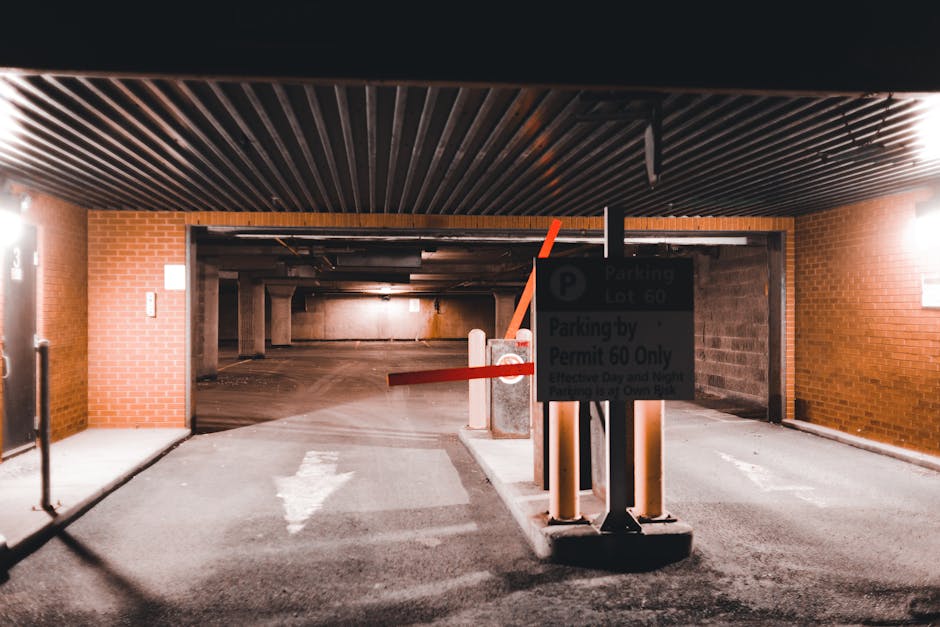
Why Redbridge Council Permits for Barkingside Removals Matters
On paper, a removal day sounds simple: arrive, load, go. In Barkingside, it is often a little more layered than that. Streets can be narrow, parking can be tight, and the nearest reasonable stopping place may be shared with residents, deliveries, and the usual stop-start traffic of east London life. That is where permits, parking controls, or temporary loading arrangements come into the picture.
The real reason this matters is not just avoiding a parking ticket. It is about keeping the move moving. If the removal van has to circle the block, park too far away, or stop in a risky spot, the whole day slows down. Lifting becomes harder, items spend longer outside, and the stress level rises for everyone. You can almost hear the clock ticking in the background.
There is also a safety angle. Removal crews need enough space to work without blocking emergency access, driveways, or pedestrian routes. In some parts of Barkingside, especially around flats and busier roads, planning the parking arrangement early can be the difference between a tidy, controlled move and a messy one. To be fair, nobody wants to carry a wardrobe halfway down the street because the van could not stop near the entrance.
If you are moving bulky furniture, a piano, or white goods, a parking plan becomes even more important. For heavier pieces, you might also want to read about professional piano moving support and handling bulky items on narrow Barkingside streets. Those topics connect directly to the parking reality on the day.
How Redbridge Council Permits for Barkingside Removals Works
The permit process itself is usually less mysterious than people think. The key idea is straightforward: if your removal vehicle needs to stop in a place where parking or loading is controlled, restricted, or likely to upset traffic flow, you may need permission or an agreed arrangement. Depending on the street and the timing, that could mean a formal permit, a suspension of a parking bay, or simply making sure the move is carried out within the limits of local parking rules.
Not every move needs a permit. Some properties have private driveways, forecourts, or enough unrestricted roadside space to make the move easy. But if your road is controlled, if parking is limited, or if you are moving from a flat where the only practical stopping point is on-street, it is worth checking early. The main thing is not to assume. The "surely it'll be fine" approach has caused more headaches than I can count.
In practical terms, the process tends to involve four things:
- Checking the parking situation at both the old and new address.
- Identifying whether loading, waiting, or suspension arrangements are needed.
- Allowing enough lead time for any application or approval process.
- Making sure the removal team knows exactly where the van can stop.
Lead time matters because removals are time-sensitive. A permit that arrives late is nearly as useless as no permit at all. If you are arranging your move during a busy period, or if you need a same-day move, planning becomes even more important. In those cases, a service like avoiding weekend removal delays in Barkingside can also give you a better sense of timing pressures.
One practical detail that often gets missed: the van size matters. A smaller vehicle may fit into a tighter loading position than a larger lorry-style van. That is one reason people compare options such as man with a van, man and van services, and larger removal van options before booking. Not every job needs the same footprint.
Key Benefits and Practical Advantages
Getting the parking side right does more than avoid penalties. It improves almost every part of the move. That sounds a bit neat, but it really is true.
- Less walking with heavy items: The closer the van is, the safer and quicker the loading.
- Lower disruption: Neighbours, pedestrians, and traffic are less likely to be blocked or annoyed.
- Better time control: A well-placed van means less wasted time and fewer delays.
- Reduced handling risk: Long carries increase the chance of bumps, drops, and tired backs.
- More predictable costs: Delays often lead to overtime, extra labour, or rebooking issues.
There is also a psychological benefit that gets overlooked. When the parking question is solved, the move feels more organised. The crew can focus on protecting furniture, wrapping awkward items, and moving efficiently rather than hunting for a legal stop. That calmness spreads. You notice it, even if only a little.
For families, older residents, or anyone moving from a top-floor flat, this can be especially valuable. Redbridge removals in Barkingside often involve a mix of narrow roads, stairs, and time pressure. If you have already sorted the parking arrangement, you have removed one of the biggest unknowns. And on moving day, fewer unknowns is gold.
It also pairs well with other smart moving choices, such as using proper packing materials from packing and boxes support or booking a team that already understands local access issues through removal services in Barkingside. Local knowledge saves time in ways people do not always price in at the start.
Who This Is For and When It Makes Sense
Not every mover will need to think deeply about permits, but plenty do. If any of the situations below sound familiar, it is worth treating the parking plan as a real task rather than a last-minute detail.
- You live on a road with controlled parking or limited loading space.
- You are moving from or to a flat, especially if access is via a shared entrance or stairwell.
- Your property sits on a busy stretch where stopping even briefly could cause a problem.
- You are moving heavy, fragile, or bulky items that need a close van position.
- Your move is timed tightly, such as on completion day or around a tenancy deadline.
- You are arranging an office, student, or same-day move where timing is more compressed than usual.
For example, a student move from Barkingside to another part of London may be lighter on furniture but still complicated by parking, building access, and timing. A family house move is different again, often with larger loads and more trips. The same goes for office moves, where access windows can be short and everyone seems to need the lift at once. Lovely, isn't it?
If you are unsure whether your move counts as "simple" or "needs a proper parking plan," the safe answer is usually to plan as though it does. That does not mean overdoing it. It just means checking early and leaving some breathing room. If you want a broader move-planning view, this house move planning guide fits nicely alongside permit preparation.
Step-by-Step Guidance
Here is a clear way to handle Redbridge Council permits for Barkingside removals without turning it into a weekend project.
- Assess the address first. Look at the street, parking bays, yellow lines, resident-only zones, access restrictions, and whether a van can stop near the entrance.
- Decide what kind of stopping space you need. Is it just brief loading? A full bay? A suspension? Or simply a safe, sensible place for the van to wait while items are carried out?
- Check both ends of the move. People often only plan the current address and forget the destination. That can be a costly little oversight.
- Book your moving date with access in mind. If you have flexibility, choose a time that is less likely to clash with rush hour, school runs, or weekend congestion.
- Confirm vehicle size early. A smaller van can be much easier on a narrow road. A bigger van may need more room or more precise parking.
- Build in extra time. Even a small delay on arrival can upset the whole sequence of loading, travel, and unloading.
- Brief everyone involved. Make sure the removal team, the person handing over keys, and any friends helping know the access plan.
- Prepare the property itself. Boxes downstairs, pathways clear, and fragile items separated can reduce how long the van stays parked.
That sounds like a lot written down, but in practice it is often just a short sequence of sensible checks. A 10-minute parking review the day before can save you an hour of bother on the day. Sometimes more.
While you are preparing, it can help to use a proper moving list such as the Barkingside High Street flat moving checklist. That kind of local planning is exactly what keeps the day steady.
Expert Tips for Better Results
Over the years, the best moves I have seen were rarely the fanciest. They were the ones where someone cared about the small, boring details before the big day arrived. Parking, access, lift use, box placement, the order of loading. The unglamorous stuff. That is where the win is.
Tip 1: Use the smallest practical vehicle. If the move is modest, do not assume a larger van is better. It can be harder to park, harder to manoeuvre, and awkward on tighter streets. Bigger is not always better. Moving folk know that, even if they do not say it loudly.
Tip 2: Separate loading and unloading thinking. One address might be easy, the other a nightmare. The move only feels smooth if both sides are planned. A flat near a busy road, for example, can need more attention than the house you are leaving.
Tip 3: Keep the loading route short and clear. If you can clear the hallway, the front step, and the pavement edge before the van arrives, the crew can keep the job moving in a clean rhythm.
Tip 4: Match the packing to the access. If you know the van cannot park directly outside, avoid overpacking huge, unwieldy boxes. Smaller, manageable loads can be smarter in a tight access setting.
Tip 5: Ask about timing windows. A move that starts at 9:00am may be a very different experience from one starting at 2:00pm. Traffic and parking mood change through the day, like clockwork.
If you are moving anything difficult, the right prep matters even more. For example, beds, mattresses, pianos, sofas, and freezers all have their own handling quirks. Relevant guides like moving a bed and mattress safely, storage ideas for sofas, and freezer storage best practices can help you reduce friction before the van even arrives.
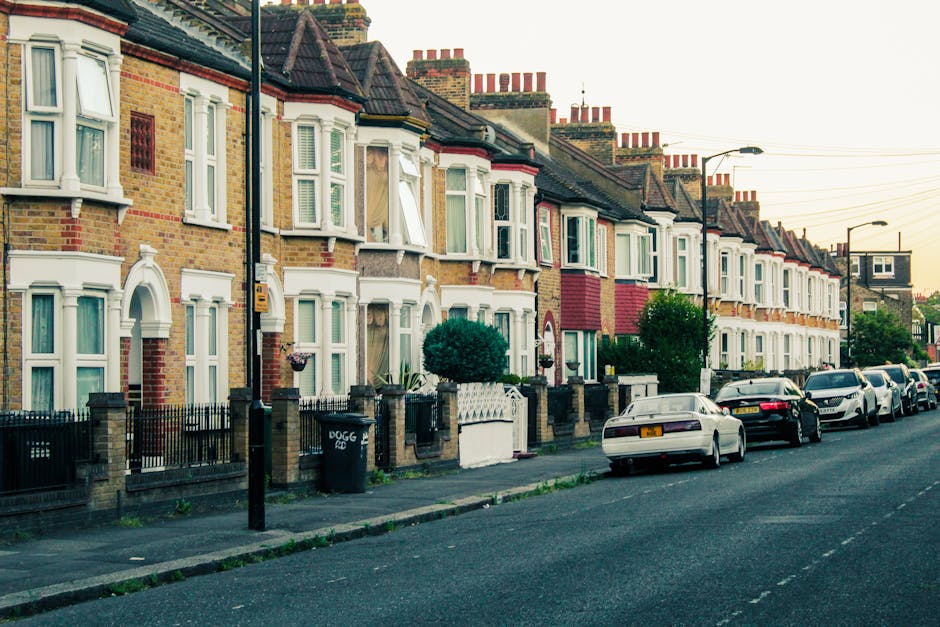
Common Mistakes to Avoid
Most permit-related problems are avoidable. The trouble is, they tend to happen when people are busy, tired, or assuming the road will somehow cooperate. Roads, as a rule, do not care about your diary.
- Leaving parking checks until the day before. This is the big one. It creates avoidable pressure.
- Assuming the same arrangement will work at both addresses. It often will not.
- Forgetting delivery vans, skip hires, or neighbour parking conflicts. The street can get crowded fast.
- Booking a vehicle that is too large for the road. This creates stress for the crew and for neighbours.
- Not telling the removal team about access limits. They can plan well only if they know what they are walking into.
- Ignoring weather and daylight. In winter especially, a dark, wet evening move is harder to manage.
One more subtle mistake: people sometimes focus so much on the permit question that they neglect the move itself. Parking matters, yes. But so does decluttering, labelling, and the physical side of moving heavy items without strain. If you need a refresher on lifting techniques, this kinetic lifting guide is worth a look, and this heavy-object lifting article is practical too.
Tools, Resources and Recommendations
You do not need a mountain of equipment to make the permit and parking side easier. A few simple tools and habits go a long way.
- Notebook or phone notes: Keep address access details, bay locations, and timing notes in one place.
- Photos of the street: A quick picture can help you remember where loading looks possible.
- Tape measure: Useful for checking furniture width, doorway clearance, and whether an item can be handled safely.
- Labels and colour markers: Helpful when loading is under time pressure.
- Floor plan or room list: Especially useful if access is tight and items must be placed quickly on arrival.
It also helps to use related moving support where it genuinely fits. For example, if you are not moving everything in one go, storage can reduce the pressure on the parking window. A service like storage in Barkingside can make a split move much less frantic. And if you are handling student belongings, the local pace is often different again, so student removals support may be more suitable than a one-size-fits-all plan.
For people comparing service levels, a broad overview is useful too. The page on services overview gives a sense of how different move types can be approached, and pricing and quotes helps you think about the commercial side without guessing. That mix of practical and financial planning tends to keep surprises low.
Law, Compliance, Standards, or Best Practice
When parking or loading is part of a move, the key principle is simple: follow the rules that apply to the street, respect restrictions, and do not block access or create danger. The details can vary by location, so it is best to treat the council side as a local compliance matter rather than a casual arrangement.
In plain English, the basics are:
- Do not park where stopping is prohibited.
- Do not assume a quick load automatically makes parking restrictions irrelevant.
- Make sure emergency access, driveways, and pedestrian routes stay clear.
- Use proper loading arrangements when the street layout calls for it.
There is also a broader best-practice standard in the removals trade: plan access before lifting starts. That means looking at vehicle positioning, route length, risk of damage, and whether any specialist lifting or wrapping is needed. If your move includes valuable or fragile items, safety and insurance should be part of the conversation. The page on insurance and safety is a sensible place to think about that side of things.
For workplace moves, compliance becomes more structured. Office removals often involve access permissions, lift bookings, building rules, and agreed time windows. A good fit here is office removals in Barkingside, where coordination matters as much as muscle. In short: if access is controlled, treat it as controlled. Simple, but easy to miss.
Options, Methods, or Comparison Table
There are several ways to handle parking and access for a Barkingside move. The right one depends on the street, the size of the van, and how much loading time you need.
| Approach | Best for | Strengths | Trade-offs |
|---|---|---|---|
| Private driveway or forecourt | Houses with space off-road | Fast loading, less disruption, usually easiest | Not available for many flats or terraced homes |
| On-street loading space | Short, well-timed moves | Close access, practical if space is available | Can be limited by traffic or parking controls |
| Parking bay arrangement or suspension | Controlled streets or planned removals | More reliable stopping position, better predictability | Needs more planning and lead time |
| Smaller van with shorter carries | Narrow roads and tight access | More manoeuvrable, easier to place | May require multiple trips if the load is large |
| Split move with storage | Busy streets or time-limited handovers | Reduces pressure on the main moving day | Extra planning and possibly extra handling |
To put it plainly, there is no single "best" option for every Barkingside move. A small flat near a busy road may work best with a compact van and tight timing. A larger house move may benefit from a more structured parking arrangement. If you are trying to keep a sofa safe while juggling access, see furniture removals for how a more tailored approach can help.
Case Study or Real-World Example
Imagine a typical Barkingside flat move on a weekday morning. The property is close to a busier road, the lift is shared, and the pavement outside is not wide enough to tolerate guesswork. The first instinct might be to hope the van can simply stop "for a minute" while boxes are loaded. But minute-by-minute thinking is how moving days become stressful.
Instead, the move is planned in layers. First, the packing is finished the night before, with fragile items already set aside. Then the route from the flat to the van is cleared. The van is chosen with the street in mind, not just the volume of belongings. A parking position is identified in advance, and the person moving knows exactly where the team will arrive and how long they can stay.
The result is not magical. The move is still a move. There are still stairs, still tape, still the occasional box that seems lighter until you pick it up. But the day runs in a calmer rhythm. The carry distance is short. No one is circling for parking. There is less stopping and starting. And the whole thing feels, to be fair, much more manageable.
That same logic applies to more complicated cases too, like a family house move on Fullwell Cross Rd or a small flat move near Barkingside Tube heading toward Ilford. Different streets, same principle: solve access early, then everything else gets easier.
Practical Checklist
Use this checklist a day or two before your move. It is intentionally simple, because on moving day your brain will already be carrying enough.
- Confirm the parking situation at both addresses.
- Check whether the van can stop close enough for loading.
- Measure large items and note any awkward access points.
- Tell the removal team about stairs, lifts, gates, or shared entrances.
- Decide whether the vehicle size needs adjusting.
- Keep keys, documents, and phone numbers in one easy-to-reach place.
- Finish boxing and labelling before the vehicle arrives.
- Clear corridors, doorways, and entrance areas.
- Protect floors and delicate edges where needed.
- Have a backup plan if the preferred parking spot is taken.
One useful extra step: think about what you are not taking with you. Anything you can declutter now reduces loading time later. If you need a nudge on that, pre-move-out cleaning and advanced decluttering are both worth revisiting. Fewer items, fewer decisions. It really does help.
Conclusion
Redbridge Council permits for Barkingside removals are not just an admin detail. They are part of making the move safe, efficient, and far less stressful than it needs to be. When the parking and access side is thought through early, the rest of the day has room to breathe. That means less rushing, less carrying, and fewer awkward surprises outside the front door.
If you remember only one thing, make it this: the best removal day is usually the one that was quietly planned the day before. Not perfect. Just prepared.
Get a free quote today and see how much you can save.
And if you are still in the planning stage, that is fine. Most good moves start with a few sensible questions and one honest look at the street outside. From there, the rest tends to fall into place, one box at a time.